The pre-owned watch market has found its footing again. After three years of correction, the WatchCharts Overall Market Index — which tracks 300 watches across the ten biggest luxury brands — rose 8.2% in the twelve months to February 2026, and the recovery has broadened since. As of late June, Patek Philippe is up 19.3% year over year, Tudor 13.6%, Cartier 8.6% and Rolex 6.7%. Morgan Stanley's February 2026 secondary-market analysis, built on the same WatchCharts data, reached a similar conclusion: this rally looks healthier than the speculative boom of 2021–22. Zoom out further and the trend is starker still. Bob's Watches reports that its average Rolex transaction climbed from roughly $2,000 in 2010 to $13,426 in 2025.
In plain terms: the watch on your wrist is a five-figure asset that is once again behaving like one. Yet how much of that value you keep at resale has surprisingly little to do with which model you bought, and a great deal to do with the two things buyers scrutinize first — condition and completeness. Both live or die on the same part of the watch. Not the movement. The bracelet.
The Hidden Cost of Wearing the Original Bracelet Every Day
Steel and gold record everything. Eight hours at a keyboard lays a lattice of hairline scratches across the clasp — collectors call it desk diving, and any dealer spots it in seconds. Years of wrist time grind dust and skin oils into the links, wearing the pins until the bracelet develops the sag known as stretch. Brushed surfaces go glossy at the contact points. Crisp chamfers slowly round off. None of it happens in a day, which is exactly why most owners never notice until a buyer does.
And buyers do. Dealers read a bracelet the way used-car buyers read a service history: it is the largest surface on the watch and the most honest witness to how the piece was treated. A tight, evenly brushed bracelet says careful ownership. A stretched one with a scuffed clasp starts the negotiation several hundred dollars lower before the caseback is even turned over.
The instinctive fix — polishing — is really a second problem wearing a solution's clothes. Polishing removes metal, and removed metal never comes back. Case lines soften, engravings grow shallow, lugs thin out. Applied to a bracelet, refinishing thins the links themselves and accelerates the very stretch it was meant to disguise. Rolex service centers polish by default during routine servicing unless you explicitly decline, which is why seasoned collectors have learned to write "no polish" on the service order.
How Condition and Completeness Set Your Watch's Resale Price
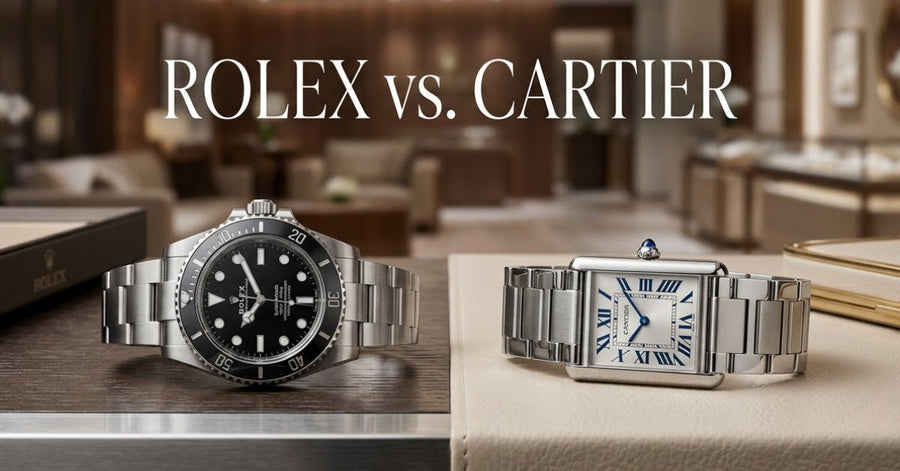
The numbers are unambiguous. Bob's Watches puts the premium for a full set — watch, original box, warranty card, manuals — at 10–25% over an identical watch-only example, and notes that rare vintage references with original punched papers can command far more. Analyses of secondary trading data point the same way: complete sets not only bring 13–23% more, they sell roughly 13% faster because they strip out authentication friction. For Cartier the effect is stronger still. Original box and papers add an estimated 20–30% to resale value on models like the Tank and Santos, while visible wear and missing documentation cut 10–20%.
Condition compounds completeness. Collectors pay a documented premium for unpolished cases with sharp edges, and the penalty runs the other way with force: heavily polished vintage examples can trade 30–50% below crisp, original ones. The most famous illustration remains a pair of gold Rolex 6062s sold two weeks apart in 2011, reported by Gear Patrol: Christie's hammered an untouched, heavily oxidized example for well over half a million dollars, while a polished, far shinier example of the same reference managed $62,500 at Sotheby's. In today's listings, "original, unpolished" carries roughly the same persuasive weight as "full set."
Run the math on an ordinary watch and this stops being abstract. On a $13,000 Submariner, the spread between a sharp full set and a worn, undocumented example is $2,000–$4,000. That money disappears one desk edge at a time.
What Replacing or Refinishing an OEM Bracelet Actually Costs
If your plan is "wear it hard now, restore it before selling," the economics refuse to cooperate.
Rolex runs an exchange-only policy on bracelets: you cannot walk into a boutique, buy a new Oyster or Jubilee and keep the old one. A replacement requires a service ticket, the original bracelet is retained by Rolex, and elective swaps sit low on the priority list with open-ended wait times. Parts pricing reflects the same exclusivity. Independent specialists quote around $100 for a single steel Oyster link and $500 or more per link in 18k gold — a full precious-metal bracelet runs well into the thousands, a meaningful fraction of what the entire watch cost new.
Refinishing is cheaper, but not cheap, and it consumes the asset. Professional bracelet refinishing starts around $250, while comprehensive stretch repairs on gold bracelets begin near $2,500. Each pass removes more metal from links already thinned by the wear that made the work necessary. Leather-strap watches face their own version of the problem: the factory strap on a Cartier Tank or Santos is part of its full set, and boutique replacements for discontinued fittings are neither inexpensive nor guaranteed to still exist when you need one.
What Experienced Collectors and Dealers Do Instead
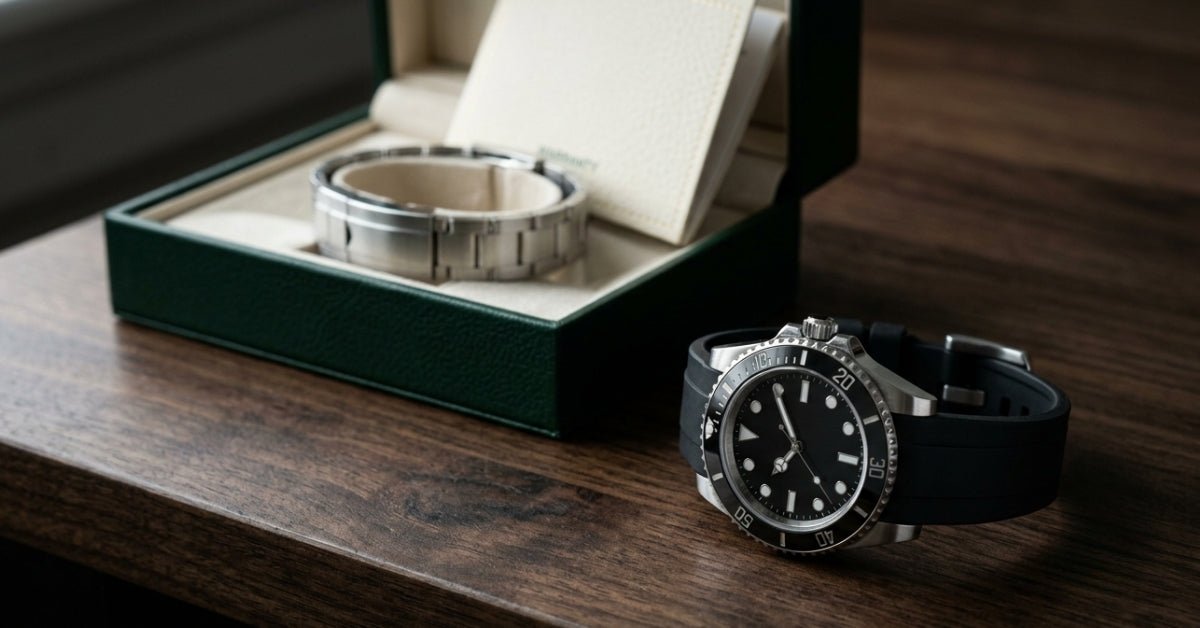
Spend time in any collector forum or dealer back room and you find the same quiet routine. The original bracelet comes off early — ideally within the first weeks of ownership, while it is still flawless — gets sealed in a soft pouch, and lives in the box next to the warranty card. The watch then earns its keep on a strap that costs less than a single bracelet link and absorbs one hundred percent of the daily abuse.
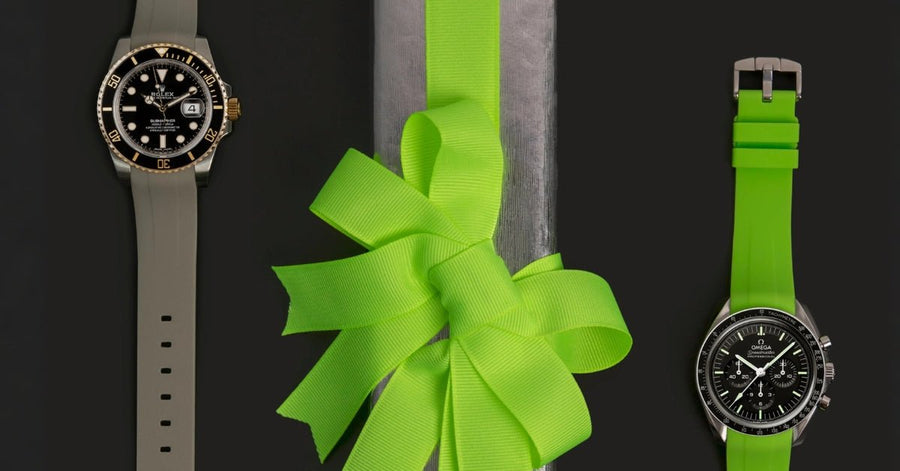
This is why so many Submariner, GMT-Master and Daytona owners fit rubber straps for Rolex for everyday wear and bank the Oyster bracelet. FKM rubber shrugs off salt water, sunscreen and desk edges, and a scuffed strap is a zero-dollar problem on trade-in day, where a scuffed bracelet is a four-figure one. Owners of leather-strapped models apply the same logic: dedicated Cartier watch straps take the sweat, sun and daily flexing that would otherwise age a factory alligator strap — the one that has to present pristine when the watch changes hands.
Dealers encourage all of it. Bob's Watches explicitly advises sellers not to polish a watch before selling it, because buyers pay for originality they can verify, not shine. The strongest listing in 2026 is the one that reads full set, original bracelet unworn, case unpolished. That listing is built years earlier, on the day the bracelet goes into the box.
How to Protect the Original — Without Retiring the Watch
Start early. A bracelet stored after two years of daily wear preserves two years of scratches; one stored in month one preserves a factory finish. Size it, photograph it, seal it in the pouch it came with, and keep it with the box and papers in a dry drawer — reuniting everything at sale time is what turns a good offer into a strong one.
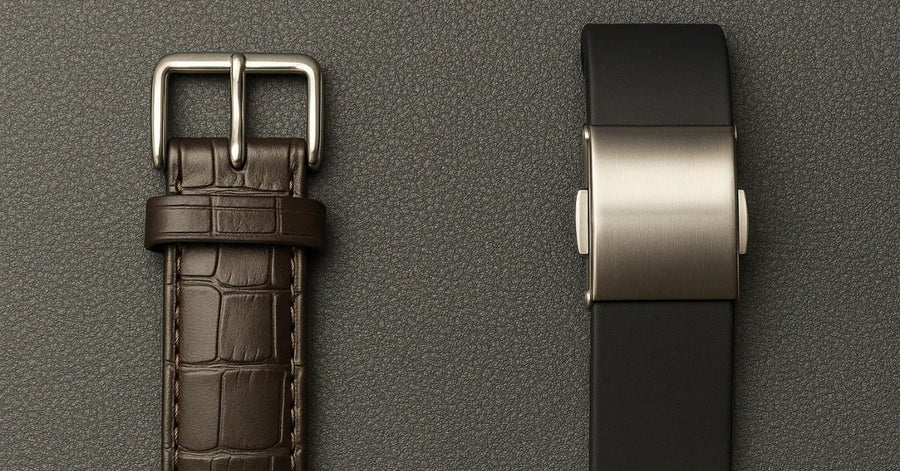
Then choose the daily strap with the same care you gave the watch. Fitment is what protects the lugs: the correct lug width, curved or model-specific ends that meet the case cleanly, and solid quick-release spring bars that spare you the scratched-lug risk of repeated tool changes. Material should match how you actually live — vulcanized FKM rubber for water, heat and sport, leather for the office, sailcloth for hard daily rotation. Well-made premium watch straps will even pair with the factory deployant clasp, so the original buckle hardware stays in service while the bracelet itself stays untouched.
One strap rarely ends the story. A rotation of two or three costs less than one refinish and lets a single watch cover the pool, the boardroom and the weekend — while the metal that determines its resale value sits in the dark, aging not at all.
FAQ: Watch Straps, Bracelets and Resale Value
Does changing the strap affect a watch's value?
No — a strap swap is fully reversible and leaves the watch head untouched, so it has no effect on value. What damages value are irreversible changes: aftermarket diamond setting, refinishing, replaced dials or a lost original bracelet. Keep every factory part, and the watch remains a full set no matter what it wears day to day.
Are watches with box and papers really worth more?
Yes, consistently. Market data puts the full-set premium at 10–25% for most luxury watches and 20–30% for Cartier, and complete sets sell measurably faster. The warranty card ties the serial number to the case, which cuts authentication risk for the next buyer.
Does polishing a watch reduce its value?
Every polish removes metal and is irreversible. On modern watches a single careful refinish may be neutral, but heavily polished vintage pieces can trade 30–50% below sharp, unpolished examples. Many collectors request "no polish" at every service — and dealers advise against polishing before a sale.
Should I ever wear the original bracelet?
Of course — that is what it exists for. The point is defaults: wearing it for occasions while a durable strap handles the daily grind means the bracelet accumulates almost no wear across years of ownership, and the watch stays a sharp, complete set.
Will an aftermarket strap damage my watch?
A properly fitted one will not. Match the exact lug width, use curved or model-specific ends and quality spring bars, and installation is a five-minute, tool-light job. The real risk sits on the other side of the ledger: the daily wear a bracelet takes when there is no strap protecting it.
The Cheapest Insurance in Watch Collecting
A quality strap costs less than one gold bracelet link, less than a single professional refinish, and a fraction of the value gap between a full set and a bare, worn watch. Unlike restoration, it prevents the damage instead of sanding it away. The 2026 market is paying real premiums for originality it can verify — so keep the bracelet your watch was born with in the box it came in, wear something built to take the hits, and when the day comes to sell, yours is the full-set, unpolished listing every serious buyer filters for.